
Weight Measurement
Weight Measurement
Weight measurement is crucial in many fields, such as healthcare, manufacturing, and nutrition. It quantifies the force that gravity exerts on an object and is typically expressed in units like grams, kilograms, pounds, and ounces.
Grams and kilograms are commonly used in scientific and medical contexts, while pounds and ounces are often used in everyday applications in the United States. Proper weight measurements help maintain quality, safety, and efficiency across various processes.
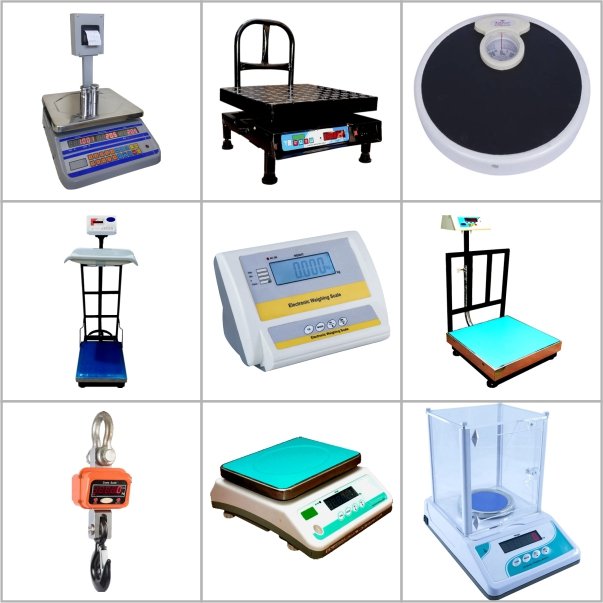
When it comes to weight measurements, there are several types of scales to consider, each suited for different applications:
- Digital Scales: These provide precise readings and are user-friendly, often featuring LCDs for easy reading. They are ideal for home use, healthcare, and culinary applications due to their accuracy and convenience.
- Mechanical (Analog) Scales: These scales use a dial or needle to indicate weight. They are commonly found in retail settings and are durable, requiring no batteries. While less precise than digital scales, they are straightforward and reliable.
- Balance Scales: Often used in laboratory settings, balance scales measure weight by comparing an unknown mass to a known mass. They provide high accuracy and are crucial for scientific applications where precise measurements are essential.
Choosing the right scale depends on your specific needs, whether it’s for everyday use, retail transactions, or laboratory precision. Understanding the strengths of each type can help you make an informed decision. Choosing the right scale depends on your specific needs, whether it’s for everyday use, retail transactions, or laboratory precision. Understanding the strengths of each type can help you make an informed decision.
Weight measurement plays a critical role in various applications across multiple sectors:
- Shipping and Logistics: Accurate weight measurements are essential for calculating shipping costs, ensuring compliance with weight regulations, and optimising load distribution for transportation safety.
- Food Production: In the food industry, precise weight measurements are vital for recipe consistency, portion control, and ensuring compliance with health and safety standards.
- Pharmaceuticals: Accurate weight measurement is crucial in the pharmaceutical industry for dosing medications, ensuring quality control, and adhering to regulatory requirements.
- Healthcare: In healthcare settings, weight measurements are essential for monitoring patient health, calculating dosages, and assessing growth in children.
- Manufacturing: Weight measurements help in quality control and material management, ensuring that products meet specifications and reducing waste.
Accurate weight measurement ensures compliance with regulations, enhances quality control, and promotes safety across various processes in both industry and everyday life.
Weight can be measured in various units, which can differ based on region and application.
Here are some common units:
- Grams (g): The basic unit of weight in the metric system, widely used in scientific and medical contexts.
- Kilograms (kg): Equivalent to 1,000 grams, this unit is commonly used for larger weights and is the standard unit for mass in most countries.
- Ounces (oz): A unit of weight in the imperial system, often used in cooking and everyday measurements, particularly in the United States.
- Pounds (lbs): Another unit from the imperial system, commonly used for measuring body weight and in various industries.
It is important to understand these units and how to convert between them is essential for accurate measurements, especially in global contexts where different standards may apply.
For example, knowing that 1 kilogram equals approximately 2.2 pounds can help ensure proper conversions in recipes or shipping calculations. This knowledge is vital for effective communication and accuracy in various applications.
Regular calibration of scales and measuring devices is essential for maintaining accuracy in weight measurements. Calibration helps ensure that equipment provides reliable readings, which is critical in applications ranging from healthcare to manufacturing.
Environmental factors, such as temperature and humidity, can significantly affect measurements, leading to inaccuracies.
For example, temperature changes can cause materials to expand or contract, impacting the weight displayed.
By routinely checking and calibrating equipment according to industry standards, organisations can prevent errors, comply with regulations, and maintain quality control. This proactive approach not only enhances the reliability of measurements but also ensures safety and efficiency in various processes.
Accurate calibration ultimately contributes to better decision-making and operational effectiveness across all fields that rely on precise weight readings.
Frequently Asked Questions (FAQs)
Weight measurement quantifies the force of gravity on an object and is expressed in units such as grams, kilograms, pounds, and ounces.
Key components include air compressors, actuators (such as cylinders), valves, and hoses that work together to control the flow of compressed air.
Common types of scales include digital scales, mechanical scales, and balance scales, each serving different purposes based on accuracy and application.
Conversion between weight units involves using conversion factors (e.g., 1 kg = 2.20462 lbs or 1 lb = 16 oz) to ensure accurate measurement across different systems.
Calibration ensures that scales provide accurate readings, which is crucial for compliance, quality control, and safety in various industries.
Weight measurement is used in healthcare (e.g., patient monitoring), food production (e.g., portion control), shipping (e.g., freight calculation), and many other industries.
Smart scales are advanced weighing devices that connect to smartphones or other devices, providing additional features like tracking weight trends and body composition analysis.

