Refinery & Chemical Plant Instrumentation Solutions
Instrumentation for hazardous and corrosive environments—pressure, level, and protection devices selected for reliability, safety, and serviceability.
Suggested email subject: REFINERY | Pressure / Level / Switch
Why Reliability Matters Here
Refineries and chemical plants operate under harsh media, temperature, vibration, and hazardous-area constraints. Selection is driven by safety, compliance, and long-term reliability—not just measurement range.
Common failures are usually due to wrong wetted materials, poor isolation practices, and unsuitable hook-up/installation. This page outlines the logic engineers use to prevent repeat failures.
Critical Measurement Requirements
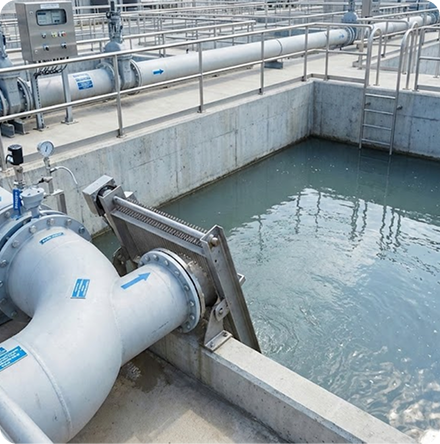
- Process pressure (lines, vessels, skids)
- Filter differential pressure (condition monitoring)
- Pump / compressor protection points
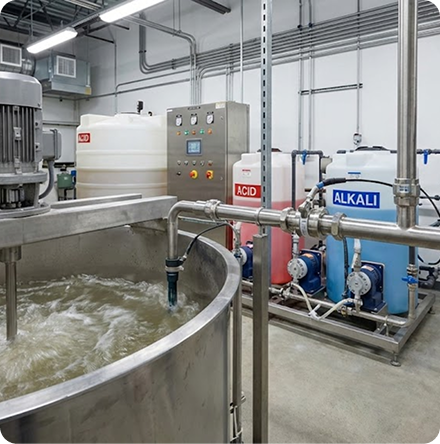
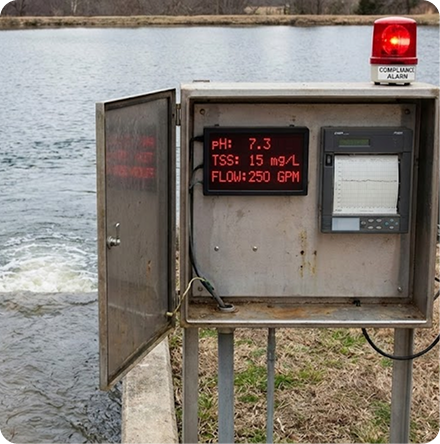
Protection / Interlocks
- Pressure / temperature trips
- Alarms and interlocks
Selection Logic (What Makes or Breaks Performance)
Pressure in difficult media
Use diaphragm seals or flush diaphragms where viscous, corrosive, or crystallizing media can clog standard ports or attack sensing elements.
Materials thinking:
Diaphragm and wetted materials must match media compatibility. Material mismatch is a common root cause of failure.
Level under vapour/pressure:
Radar is often preferred where vapour, foam, or pressure variations make other technologies unreliable.
Switching for protection:
Switches are used for trips/interlocks. Setpoint stability and repeatability matter more than “measurement resolution”.
Tip: Share media name, concentration (if applicable), temperature, and pressure. This avoids wrong materials selection and repeat shutdowns.
Recommended Instrument Stack (Application-Oriented)
Pressure & DP
- WIKA pressure instruments and diaphragm seal systems (selected by media and temperature)
- Supporting guide: Diaphragm Seal Selection Guide
Protection: Pressure & Temperature Switching
- Switzer pressure and temperature switches (application-oriented configurations)
- Options via WIKA group (WIKA / INDFOS) based on duty and area classification
Level
- NIVELCO radar and level solutions (selected by vessel conditions)
Installation Discipline (Leak Prevention + Serviceability)
- ZAKS manifolds and hook-up assemblies for isolation, venting, and safer maintenance
- Supporting guide: Manifold & Hook-up Selection Guide
Tip: If you share where the instrument will be installed (photos or a P&ID), we can recommend a configuration that is stable and service-ready.
Common Failures We Help Prevent
- Media attacking diaphragm/wetted parts → drift, leakage, premature failure
- Impulse line issues / clogging → wrong DP/pressure readings and unstable control
- Unsafe isolation and venting → maintenance risk and longer shutdowns
- Poor hook-up selection → leak paths, repeat rework, unreliable calibration


Spec Checklist (Send With Your Email)
- Media name, concentration (if relevant), operating temperature, operating pressure
- Hazardous area requirement (zone/class) if applicable
- Connection and mounting details; maintenance access constraints
- For seals: viscosity, crystallization risk, diaphragm material preference (if known)
- For level: vessel height, nozzle size, foam/vapour/turbulence presence
Why choose Machine Tools Centre
- Strong WIKA group alignment with application-backed recommendations
- Hazardous-duty selection mindset (materials + installation discipline)
- Long-term service support approach for critical plant instruments