
Panel Instruments
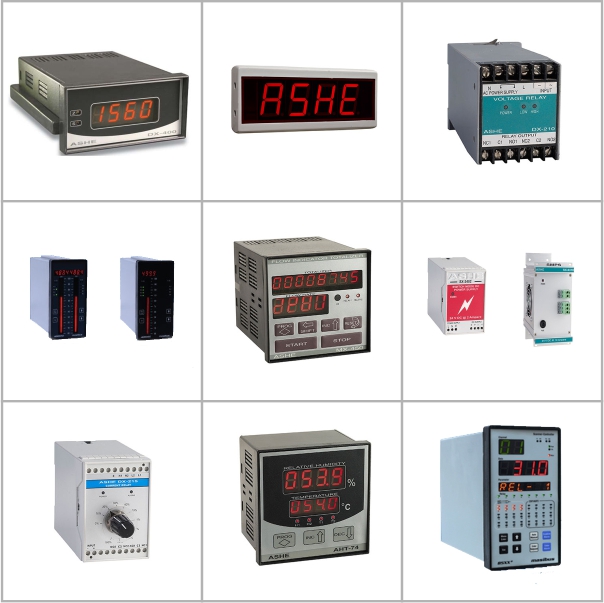
Panel Instruments
Panel instruments are important tools for monitoring and controlling various parameters in industrial and laboratory environments. These devices provide real-time data by displaying measurements such as temperature, pressure, flow, and voltage directly on a panel, making it easy for operators to track critical processes at a glance.
With their user-friendly interfaces, panel instruments enable quick decision-making, allowing operators to respond promptly to any changes or anomalies in the system. Many modern panel instruments also feature alarm systems to alert users to out-of-range readings, enhancing safety and efficiency.
By integrating these instruments into operational workflows, businesses can improve monitoring accuracy, streamline processes, and ensure compliance with industry standards.
Panel instruments are available in several forms, each designed for specific functions and applications:
- Analog Gauges: These instruments feature a dial with a needle that indicates measurement values. They are known for their simplicity and ease of reading, making them ideal for quick assessments. Analog gauges are commonly used in settings where visual monitoring is preferred.
- Digital Displays: Digital panel instruments provide precise numerical data and often include advanced features such as data logging, alarms, and connectivity options. They allow for easy reading of measurements and can display multiple parameters simultaneously, enhancing usability.
- Multi-Function Meters: These versatile instruments can measure several parameters—such as temperature, pressure, and flow—within a single device. Multi-function meters are especially useful in applications that require monitoring of different variables, reducing the need for multiple instruments.
- Chart Recorders: These instruments continuously record data over time, providing a visual history of measurements. Chart recorders are useful for tracking trends and analysing performance in processes that require long-term data collection.
Choosing the right type of panel instrument depends on your specific needs, such as the level of precision required, the nature of the measurements, and the operational environment. Each type offers unique advantages that can enhance monitoring and control in various applications.
Panel instruments are utilised across a wide range of sectors, each benefiting from their ability to monitor critical parameters:
- Manufacturing: In manufacturing settings, panel instruments track variables such as temperature, pressure, and flow rates, ensuring processes operate smoothly and efficiently. Continuous monitoring helps prevent equipment malfunctions and maintain product quality.
- Energy: In the energy sector, panel instruments are essential for monitoring power generation and distribution systems. They provide real-time data on voltage, current, and frequency, helping operators maintain optimal performance and safety.
- HVAC: Heating, ventilation, and air conditioning (HVAC) systems rely on panel instruments to monitor temperature and pressure. This ensures proper climate control in buildings, enhancing comfort and energy efficiency.
- Scientific Research: In laboratories, panel instruments are crucial for monitoring experimental conditions. They provide accurate data for temperature, pressure, and other parameters, enabling researchers to ensure consistency and reliability in their experiments.
By continuously monitoring these critical parameters, panel instruments help ensure safety, efficiency, and regulatory compliance. Their ability to facilitate timely adjustments and troubleshooting makes them invaluable in a variety of applications, ultimately contributing to improved operational performance and reliability.
When selecting panel instruments, it’s important to consider several key features to ensure they meet your specific needs:
- Accuracy: Look for instruments with high precision to ensure reliable measurements. The level of accuracy required may vary depending on your application.
- Kilograms (kg): Equivalent to 1,000 grams, this unit is commonly used for larger weights and is the standard unit for mass in most countries.
- Measurement Range: Ensure that the instrument’s measurement range aligns with the parameters you need to monitor. This will help prevent measurement errors and ensure effective monitoring.
- Ease of Installation: Consider how straightforward the installation process is. Instruments that are easy to install can save time and reduce labor costs.
- Compatibility: Ensure the instrument is compatible with existing systems, including communication protocols and power requirements. This will facilitate integration into your current setup.
- Additional Features:
Alarms: Instruments with alarm functions can alert you to out-of-range measurements, enhancing safety and allowing for timely responses. Data Logging: Built-in data logging capabilities allow for historical data collection, which can be valuable for trend analysis and reporting. Remote Monitoring: Instruments with remote monitoring capabilities enable you to track measurements from a distance, improving convenience and flexibility in operations.By carefully considering these factors, you can choose the right panel instruments that will enhance functionality, usability, and overall performance in your applications.
Regular maintenance is essential for ensuring the reliability and longevity of panel instruments. Here are some best practices to follow:
- Routine Calibration: Schedule regular calibration to ensure accuracy. This helps maintain the precision of measurements and complies with industry standards.
- Cleaning: Keep instruments clean to prevent dust and debris from affecting performance. Use appropriate cleaning agents and techniques based on the instrument’s materials and specifications.
- Inspection of Connections: Regularly check all connections, including wiring and plugs, for wear or corrosion. Secure and clean connections to ensure optimal signal transmission.
- Display Check: Inspect the displays for clarity and functionality. Replace any damaged or faded screens to ensure that readings are easily visible.
- Environmental Considerations: Protect instruments from extreme temperatures, humidity, and vibrations. Implement proper housing or shielding where necessary to mitigate environmental impacts.
Frequently Asked Questions (FAQs)
Weight measurement quantifies the force of gravity on an object and is expressed in units such as grams, kilograms, pounds, and ounces.
Panel instruments are devices used to measure and display various parameters such as temperature, pressure, and voltage in industrial and laboratory settings.
Common types include analog gauges, digital displays, and multi-function meters, each designed for specific monitoring and control tasks.
Consider factors like measurement accuracy, range, installation requirements, and additional features such as alarms or data logging capabilities.
Panel instruments are used in manufacturing, energy production, HVAC systems, and scientific research to monitor critical parameters and ensure operational safety.
Regular maintenance includes calibrating the instruments, cleaning them, and inspecting all connections to ensure accurate readings and reliable performance.
Current trends include the integration of IoT technology for remote monitoring and data analysis, as well as advancements in digital displays for enhanced usability.

