
Level Instrument

Level Instruments
Level instruments come in various types, each designed for specific applications and materials:
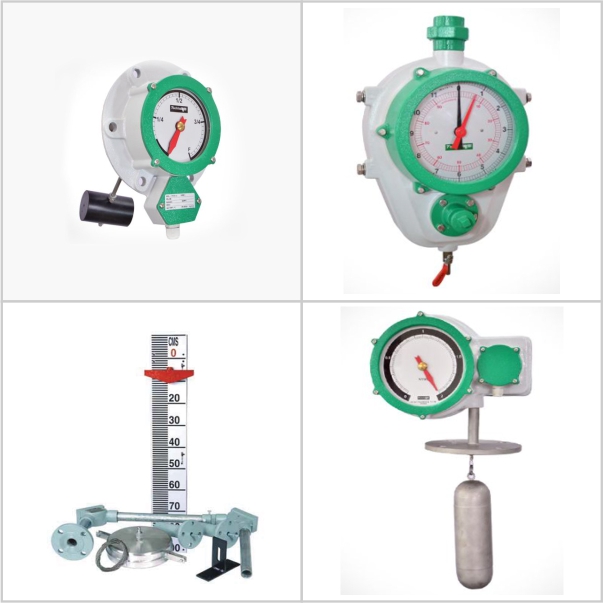
Float Sensors: These use a buoyant float that rises and falls with the liquid level. As the float moves, it activates a switch or sends a signal, making it ideal for tanks and reservoirs.
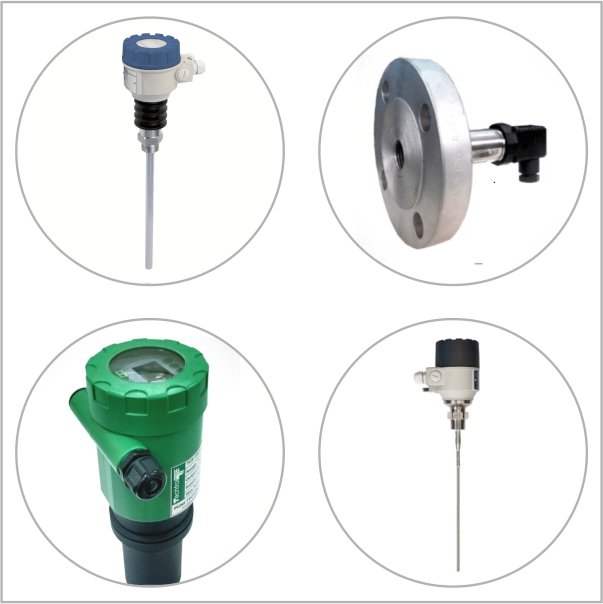
Ultrasonic Level Transmitters: By emitting sound waves and measuring the echo time, these instruments calculate the distance to the liquid surface, offering non-contact measurement.
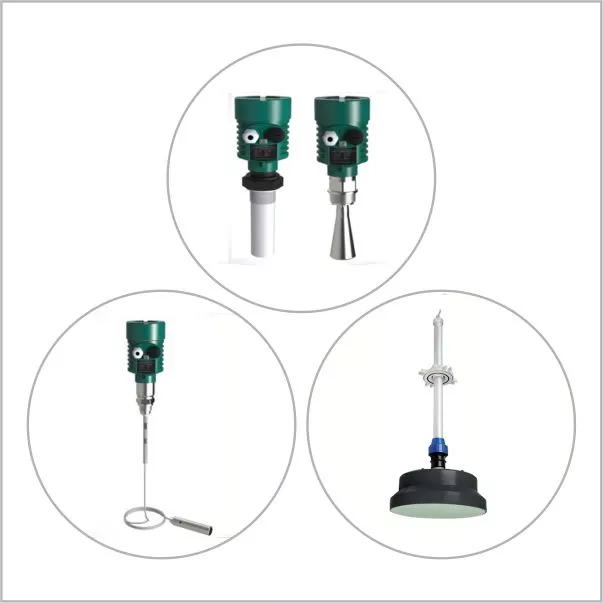
Radar Level Meters: Utilising microwave radar technology, these devices measure the distance to a material’s surface, providing high accuracy even in challenging conditions like high temperatures or vapours.
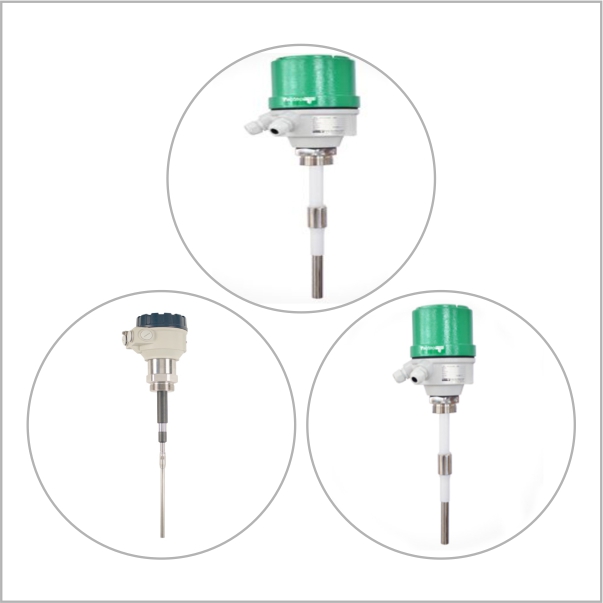
Capacitive Level Sensors: These sensors detect changes in capacitance due to the presence of a material, making them versatile for both liquid and solid level measurements.
Level instruments find applications across a wide range of industries, including:
Oil and Gas: Monitoring liquid levels in tanks to prevent overflows and ensure efficient resource management.
Water and Wastewater Treatment: Managing tanks and lagoons to optimise processes and meet environmental regulations.
Food and Beverage: Maintaining ingredient levels for quality control in storage tanks and processing equipment.
Chemical Processing: Monitoring reactants in tanks to ensure safe operations and optimal production.
Level instruments operate based on different physical principles:
Float Sensors: The float’s position correlates to the liquid level. When the float reaches a predetermined level, it either opens or closes a switch, signalling the current level.
Ultrasonic Level Transmitters: These devices emit ultrasonic sound waves that reflect off the liquid surface. The time taken for the waves to return is used to calculate the distance to the liquid, providing a level reading.
Radar Level Meters: Radar devices send microwave signals towards the liquid surface. The time taken for the signal to return is measured to determine the level, unaffected by temperature, pressure, or vapors.
Capacitive Level Sensors: These sensors detect changes in capacitance as a material enters or leaves the sensing area. The sensor interprets these changes to provide level readings.
Recent advancements in level instrumentation technology are transforming how industries monitor and manage levels. Key innovations include:
- Advanced Materials: The use of durable, corrosion-resistant materials enhances the longevity and reliability of level instruments, especially in harsh environments.
- Multi-Parameter Sensors: New sensors can measure not just the level but also other parameters like temperature and pressure, providing a more comprehensive view of the process.
- Digital Interfaces: Enhanced user interfaces and touchscreen displays make it easier to configure and monitor level instruments, improving usability and accessibility.
- Self-Diagnostics: Modern instruments are equipped with self-diagnostic capabilities that can identify potential issues before they become critical, enhancing reliability and safety.
- Cloud Connectivity: Cloud-based solutions enable centralised data storage and analysis, allowing for better insights into level trends and more efficient resource management across multiple sites.
Recent advancements in pressure instrumentation are revolutionizing pressure data collection and use. Key innovations include:
- Wireless Sensors:These eliminate the need for wiring, allowing for easier installation and real-time data transmission to remote systems.
- IoT Integration: Pressure instruments can now connect with other devices, enabling seamless data sharing and improved operational insights.
- Enhanced Digital Displays: Modern instruments feature advanced displays that show multiple data points and alerts, simplifying monitoring.
- Predictive Maintenance: Real-time monitoring helps identify potential issues early, reducing downtime and operational costs.
- Increased Automation: Automated systems can adjust pressure levels based on real-time data, enhancing reliability and safety.
As technology evolves, the future of pressure instruments promises greater accuracy, automation, and reliability, further improving safety and efficiency across industries.

