Engineer-focused guidance on when to use diaphragm seals, how to select materials, and how to avoid response and stability issues in pressure and DP measurement.
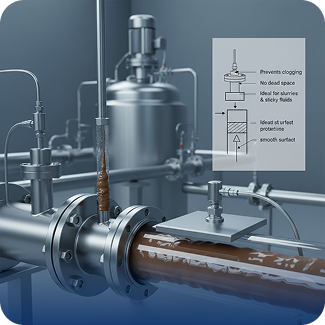
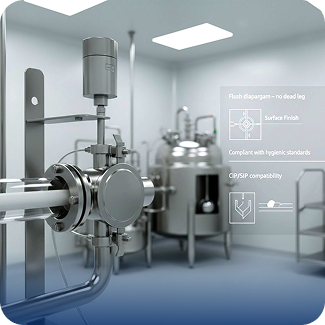
A diaphragm seal isolates the pressure measuring instrument from the process media. Pressure is transmitted via a fill fluid to the sensing element, protecting it from extreme temperature, corrosion, clogging, or hygiene-related constraints.
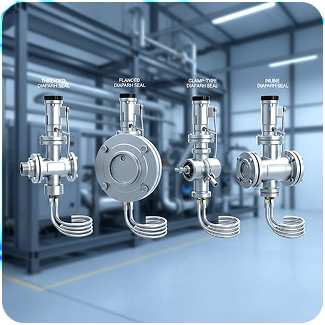
Threaded, flanged, clamp-type, or inline—selected by process connection and maintenance access.
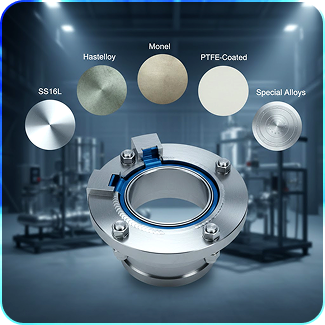
Diaphragm material:
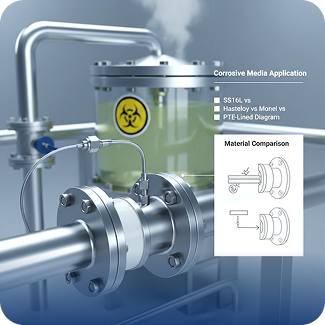
SS, Hastelloy, Monel, PTFE-coated, or special alloys—based on media compatibility.
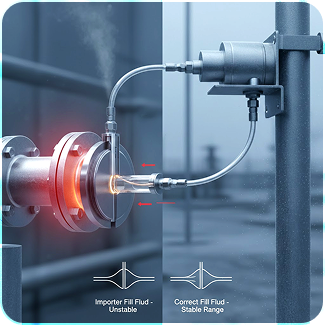
Fill fluid:
Selected for temperature range and ambient conditions to avoid expansion errors.
Capillary use:
Required when remote mounting is needed, but increases response time and temperature sensitivity.
Capillary Length & Temperature Effects
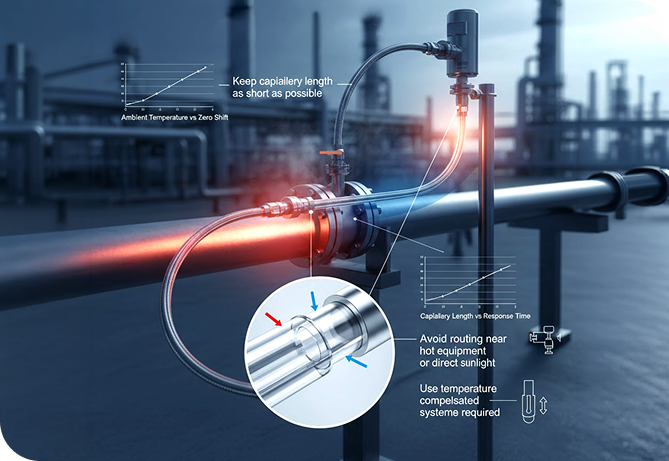
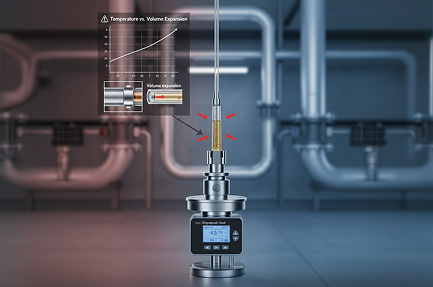
Capillaries allow remote mounting but introduce additional fill fluid volume. As ambient temperature changes, the fill fluid expands or contracts, which can affect zero and response time.
Keep capillary length as short as possible
Avoid routing near hot equipment or direct sunlight
Use temperature-compensated systems where required
Common Seal Selection Mistakes
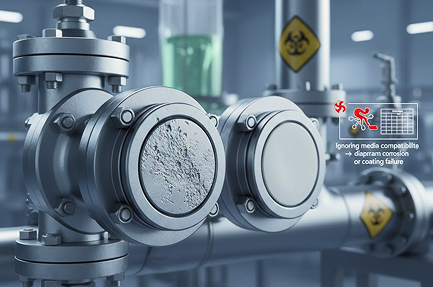
Ignoring media compatibility → diaphragm corrosion or coating failure
Overusing capillaries when not required → slow response
Wrong fill fluid for temperature range → zero drift
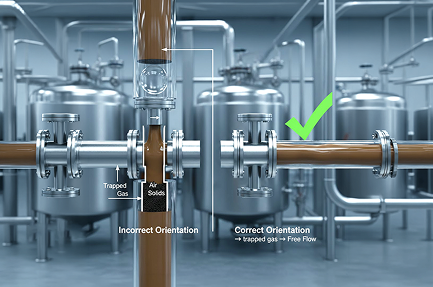
Poor mounting orientation → trapped gas or solids
Spec Checklist (Share Before Ordering)
Process media name and concentration
Operating pressure and temperature (min/max)
Connection type and size
Need for remote mounting (capillary length)
Ambient temperature conditions
Providing complete data upfront avoids repeat selection errors and site rework.